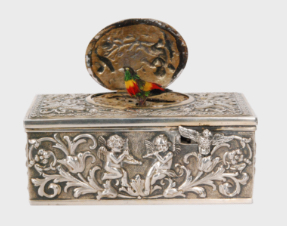
Collecting Vintage Biscuit Tins : The Charm of British Novelty Packaging
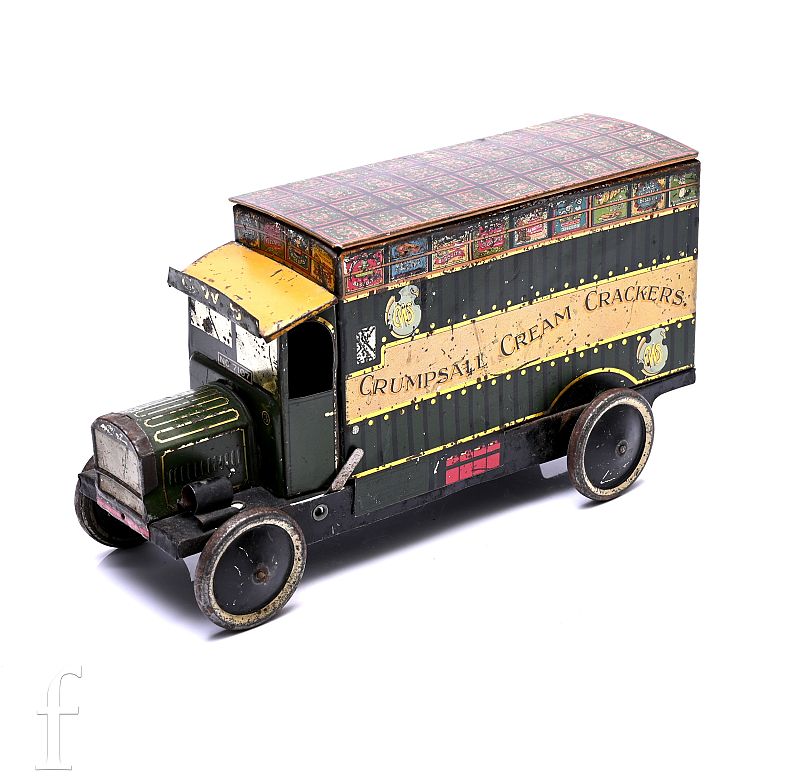
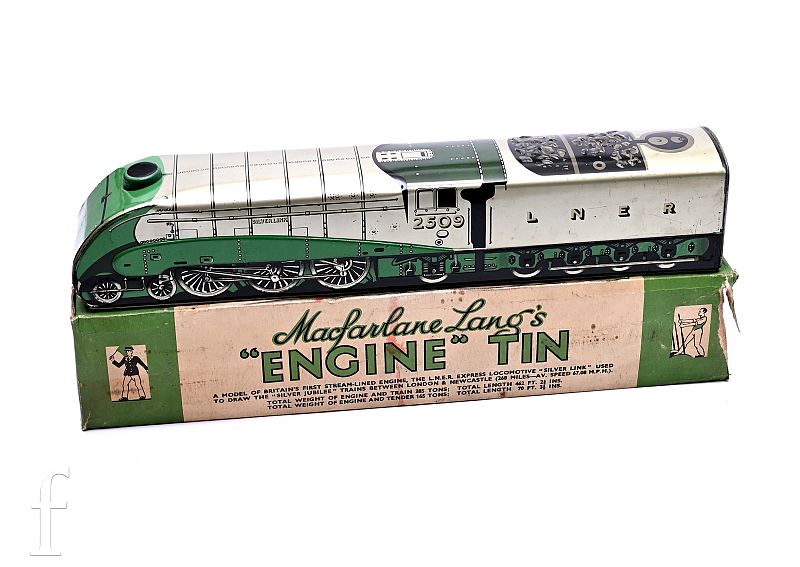
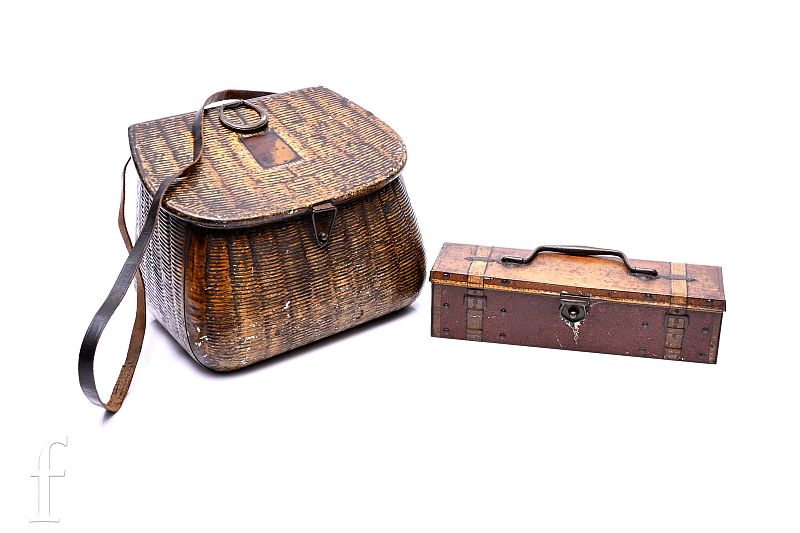
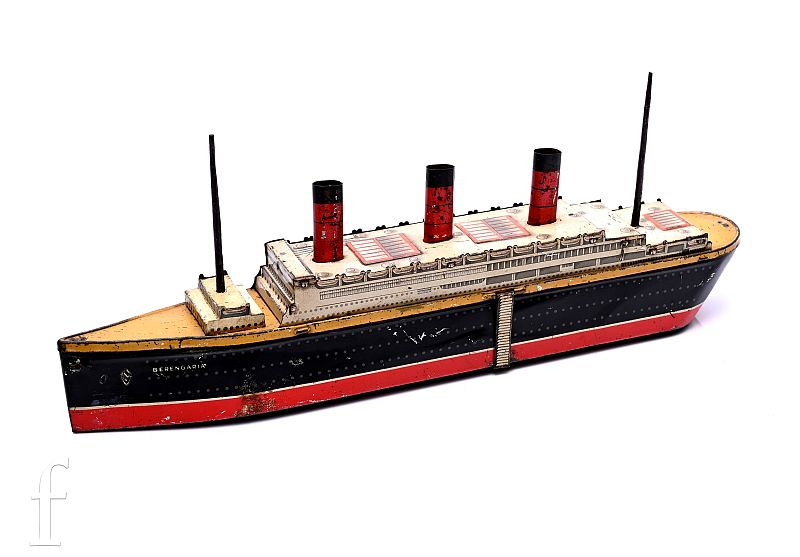
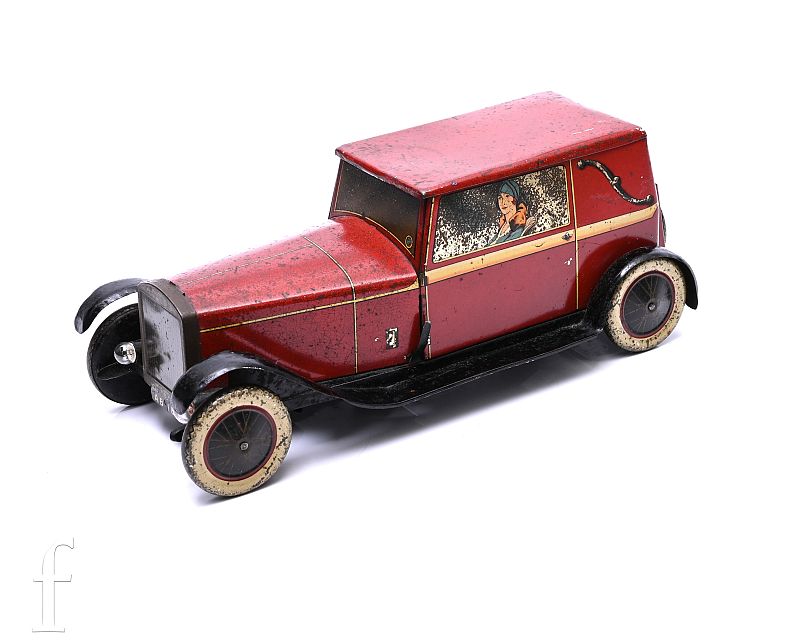
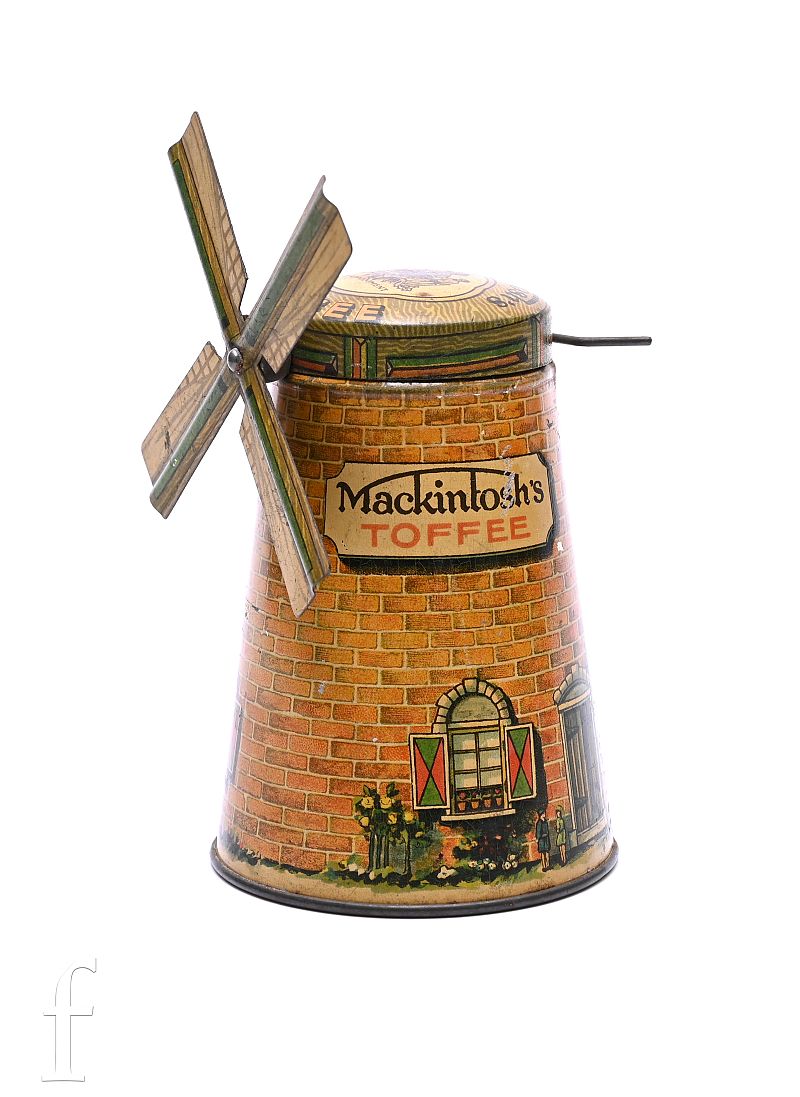
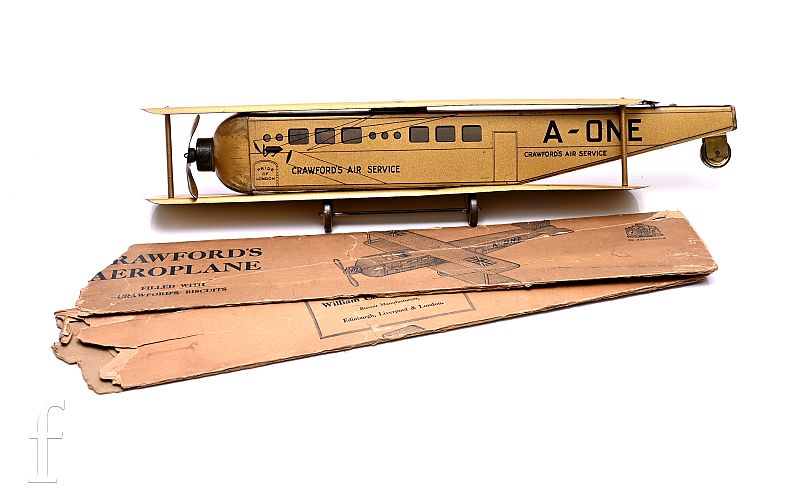
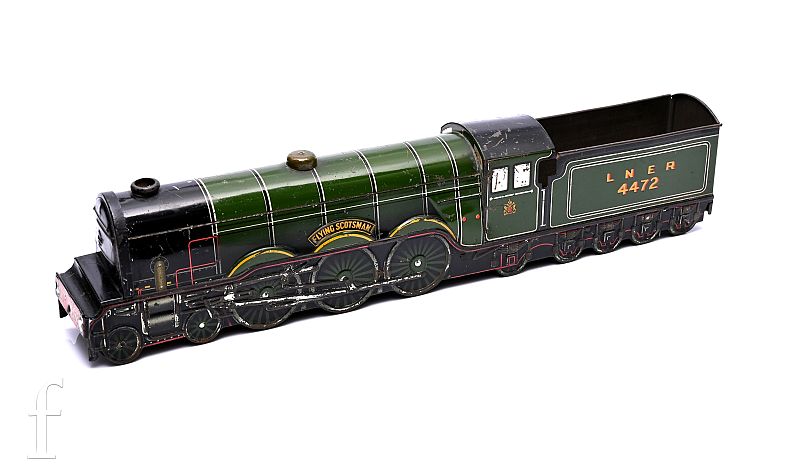
There’s something irresistibly charming about a biscuit tin shaped like a miniature chest, a model car, or a clock. These whimsical creations, born in the golden age of British manufacturing, offer more than just a place to keep biscuits fresh. They capture fascinating eras of design — from the ornate romance of the Victorian age to the sleek sophistication of the Art Deco period.
Today, collectors prize these novelty tins not only for their craftsmanship but for the stories they tell about changing tastes, technologies, and the evolution of everyday beauty.
The Rise of the British Biscuit Tin Industry
By the late 19th century, the biscuit industry was booming. Companies such as Huntley & Palmers, Peek Freans, Crawford & Sons and Jacob’s were household names, their products shipped across the British Empire. The 1861 Licensed Grocer’s Act had permitted the use of airtight tinplate packaging, and manufacturers quickly realized that a decorative tin could do far more than preserve biscuits—it could sell them.
Victorian Biscuit Tins: Ornate and Exuberant
Victorian tins were exuberant and highly detailed, mirroring the tastes of the age. Advances in lithographic printing allowed for intricate, full-colour designs that covered every surface. Scenes of empire, romantic landscapes, and cherubic children adorned the lids, while embossing gave depth and texture to the imagery.
But it was the novelty-shaped tins that truly captured the public imagination. Biscuit tins appeared as treasure chests, handbags, and even miniature pieces of furniture. One of Huntley & Palmers’ most famous examples—a tin shaped like a Victorian railway carriage—debuted around 1890 and remains a star piece at auctions today.
Art Deco Elegance: Streamlined Style for a Modern Age
By the 1920s and 1930s, design sensibilities had shifted dramatically. The ornate flourishes of the Victorian age gave way to the bold lines and streamlined geometry of Art Deco. Manufacturers embraced the new aesthetic wholeheartedly.
Art Deco biscuit tins reflected the modern world: angular shapes, metallic finishes, and motifs inspired by machinery, architecture, and travel. Trains, aeroplanes, and motorcars frequently appeared as themes. The biscuit tin had evolved from a domestic trinket into a symbol of progress.
Notable examples include Peak Freans’ “Olympia Stadium” tin (c.1936) with its stepped façade, and Huntley & Palmers’ “Motor Car” tin, complete with rolling wheels. These designs celebrated speed, optimism, and the glamour of modern life—qualities that defined the interwar years.
Collecting Vintage Biscuit Tins: What to Look For
For collectors today, novelty tins hold enduring appeal. They represent two very different visions of British design—one ornate and sentimental, the other sleek and forward-looking.
Condition is key: bright colours, intact lithography, and minimal rust are the hallmarks of a desirable piece. Hinges and mechanical parts should work smoothly, and any original paper inserts or manufacturer’s marks can add significant value.
Prices vary depending on rarity and condition. Common early 20th-century tins might sell for £20–£50, while rare novelty designs—especially those with unusual shapes—can command £200–£500 or more. Exceptional examples from the late Victorian era, particularly from Huntley & Palmers, are known to fetch four-figure sums at specialist auctions.
Enduring Appeal of the Biscuit Tin
More than mere containers, novelty biscuit tins are miniature monuments to artistry, invention, and the joy of everyday design. Whether it’s a Rococo-inspired Victorian chest or a gleaming Art Deco motorcar, each tin tells a story of its time—a story of how industry and imagination came together over something as simple as a biscuit.
Fieldings are delighted to include a single owner collection of 56 lots of biscuit tins in our forthcoming auction, lots 657 - 712
CLICK HERE TO VIEW DAY ONE LOTS 1 -598
Posted on 6 November 2025

Be in the know
Sign up for auction email alerts so you never miss another sale at Fieldings!
Register now